

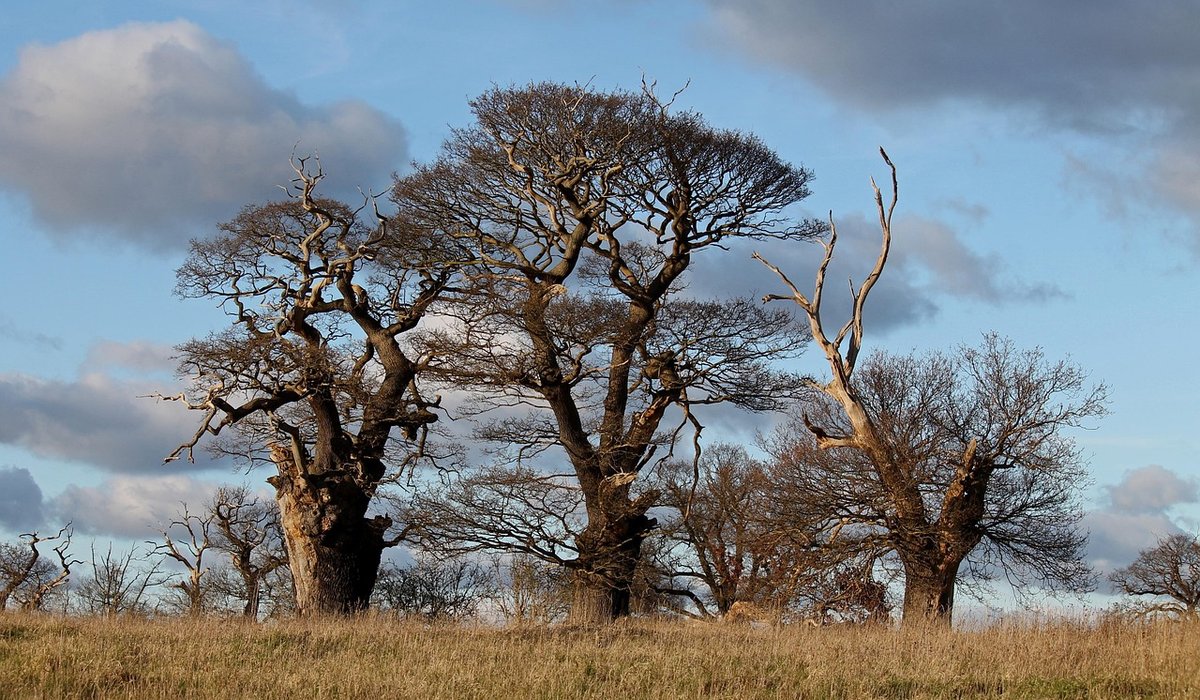
Starting a Nature Journal with Simple Daily Observations
Why a few minutes a day is enough
When people first take up a nature journal, they tend to make it grand: a leather-bound book, a watercolour set, an hour set aside each Sunday. It rarely survives contact with a wet Tuesday in February. The journals that last are the modest ones — ten minutes at the edge of a wood, a page filled on the walk to the station, a few lines by torchlight before the kettle boils.
The method is simple. Note the weather, sketch one leaf, record one birdsong. Three small acts, most days, in the same local patch. Do that for a year and you will hold something no field guide can sell you: a record of your own wood, in your own hand, with all its particular weather and its particular birds.
The daily three
Keep each entry to a handful of lines. The point is not completeness but continuity.
- Weather. Date, time, temperature if you have it, cloud cover in oktas (0 for a clear sky, 8 for fully overcast), wind direction and strength. Add one sentence of your own — "rain held off until four", "first hard frost of the year".
- One leaf. Pick a single leaf, or sketch one still on the branch. Note the species, the margin, whether the veins run parallel or branch, and any marks: galls, leaf mines, nibbled edges.
- One birdsong. Write what you hear in whatever words fit. A great tit's two-note "tea-cher", a chiffchaff saying its own name, a song thrush repeating each phrase twice.
That is all. Twenty lines a week will fill a page, and a page a week becomes a season.
Kit and habits that survive a British winter
You do not need much, but you do need the right much.
- A pocket-sized notebook with a water-resistant cover, small enough to carry every day.
- A 2B pencil. It writes in damp where a pen gives up, and it does not freeze.
- A folded card or short ruler for measuring a leaf, so your sketches carry a scale.
- A small tin for pressing the occasional leaf you cannot identify on the spot.
Keep the whole kit in your coat pocket, not in a bag you have to remember. Write as you stand there, not later. Memory for birdsong is measured in seconds.
Sketching a leaf without fuss
Draw the outline first, in one continuous line, then the midrib, then two or three side veins, then the margin. Ignore detail at this stage; a shape you recognise in six months is worth more than a careful drawing you never finish. Label every sketch with the date, the place and the tree it came from.
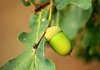
Then do the same leaf again a month later. Oak in May is soft and bronze-pink; by August it is leathery and dark, and by October you may find an oak apple, a spangle gall or a knopper on the same branch. The journal becomes a slow-motion film of one tree.
Writing birdsong on the page
You are not transcribing music; you are making a note to your future self. Write the rhythm, the pitch, whether the phrase repeats, and the time of day. Note also what the bird was doing and what the weather was doing.
Two habits repay you particularly. First, record the time of the first song you hear each morning: through late winter and spring that time shifts earlier by minutes each week, and your notes will show it. Second, record the silences. The hush of late July, when birds moult and go quiet, is as much a part of the year as the dawn chorus of May.
Folklore and forest crafts to enrich the record
Britain's woods come with a long memory, and a little of it belongs in your margins. You might note the old saying that if the oak comes into leaf before the ash, we are in for a splash; if the ash before the oak, a soak. Rowan was planted by doorways against ill luck, elder was never to be cut without asking, and a ring of darker grass could put a whole village on edge about fairies. Record what you observe, and record what your neighbours say about it — the two together make the richer page.
Crafts will keep the journal honest, because they force you to look closely at material. Make your own drawing charcoal by charring willow twigs in a sealed tin. Brew a little oak gall ink — crushed galls, water, a rusty nail — and use it for a title page. Print a leaf by inking its veins and pressing it to paper, or cast a plaster tile from a badger footprint in damp earth and sketch it into the book. Nettle cordage from summer stems makes a journal tie that lasts.
None of this asks for much: a pencil, a pocket of time, and the same few trees, watched closely through the turning year.


Tree Lore
-
Try limited palettes and quick washes to record dappled shade, green canopies and the shifting colours of a forest floor.
Nature Journaling


-

Long established fact that a reader will be distracted
-

Long established fact that a reader will be distracted
-

Long established fact that a reader will be distracted


Woodland Walks
Karla Gleichauf
12 May 2017 at 05:28 pm
On the other hand, we denounce with righteous indignation and dislike men who are so beguiled and demoralized by the charms of pleasure of the moment
M Shyamalan
12 May 2017 at 05:28 pm
On the other hand, we denounce with righteous indignation and dislike men who are so beguiled and demoralized by the charms of pleasure of the moment
Liz Montano
12 May 2017 at 05:28 pm
On the other hand, we denounce with righteous indignation and dislike men who are so beguiled and demoralized by the charms of pleasure of the moment