

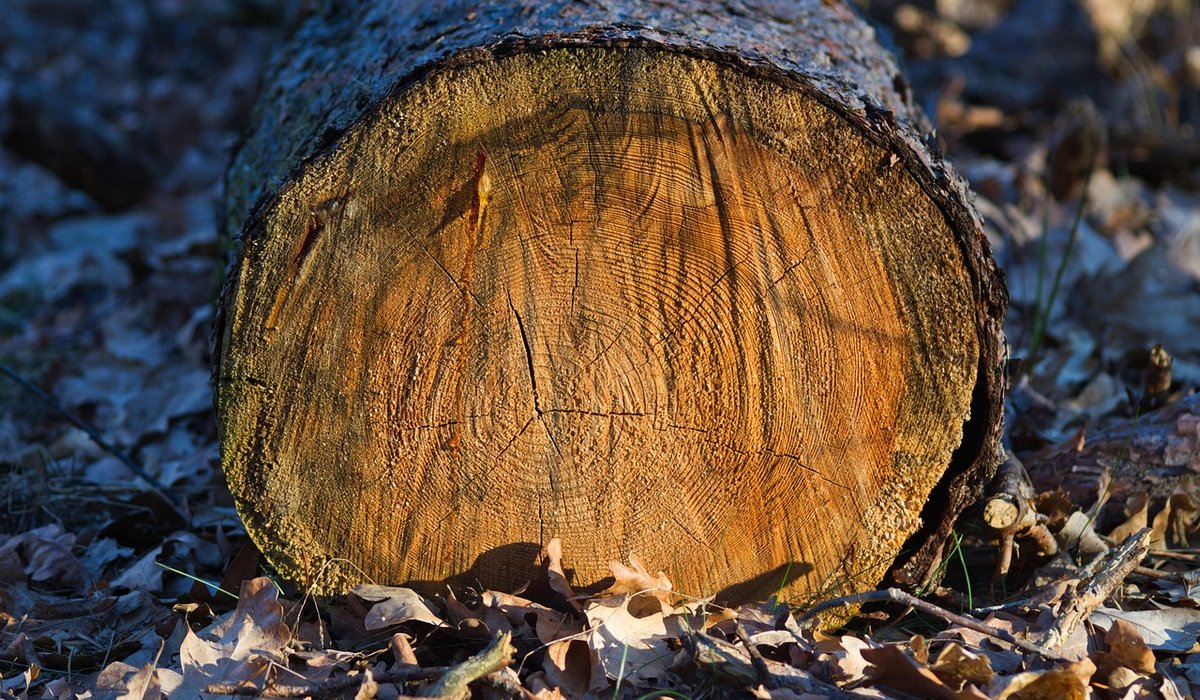
Listening to Nightjars on Heathy Woodland Edges
The Churring Hour
There is a moment on a July evening, roughly forty minutes after sunset, when the heath edge goes quiet in a very particular way. The wood pigeon has packed it in, the blackbird has sung its last, and the midges have found you. Then, from somewhere in the birch scrub, comes a sound like a small engine turning over and refusing to catch — a dry, mechanical purr that rises and falls in pitch and seems to come from everywhere and nowhere at once. That is a nightjar, and once you have heard it you will spend the rest of your summers listening for it.
Nightjars are summer visitors to Britain, arriving from sub-Saharan Africa around late April and leaving in August or early September. They favour the sort of landscape that looks, frankly, a bit scruffy: heathland with scattered birch and pine, clear-felled conifer plantations, the open edges where woodland thins into bracken and gorse. These are the places where the light lingers and moths rise, and where human management — grazing, coppicing, felling — has accidentally recreated exactly the conditions nightjars need.
Folklore of the Goatsucker
The older name for the nightjar is goatsucker, from a continental belief that the bird came to dairy herds at dusk and suckled milk from their teats, leaving the animals dry. It is a nonsense, but a persistent one, and it tells you something about how the bird was seen: a creature of half-light, strange in shape, silent in flight, associated with livestock misfortune and uncanny hours.
In various parts of the British Isles the nightjar attracted other names — fern owl, churn owl, evejar, dor hawk — and with them a cluster of small superstitions. The churring was sometimes said to be the sound of a restless spirit, or a warning of death in the village. In the New Forest and on the Surrey heaths, where populations held on longest, it was simply known as the bird you heard but never saw. The folk memory is more honest than most: the nightjar's song really does seem to arrive without a body attached to it.
There is a gentler tradition worth keeping. Because the bird sits lengthways along a branch rather than across it, it was once described as the bird that "wears the tree" — camouflage so complete that you could stare straight at one for ten minutes and see only bark. Many birders today keep that phrase as a talisman. Look for the horizontal shape, not the bird.
Equipment, Patience and Midges
You need less kit than you think, and more patience than you would like.
- Time it right: arrive at the site about half an hour before sunset, so your eyes adapt as the light drops. Churring generally begins between 20 and 45 minutes after sundown and may continue for an hour.
- Choose still, warm, overcast evenings: nightjars sing less in wind and rain. A muggy, close night with cloud holding the heat is ideal.
- Wear long sleeves and long trousers — not just for midges, but for ticks and the inevitable scramble through heather. Tuck trousers into socks if you are wandering off-path.
- Midge repellent: take it seriously. A head net is not overkill on a still evening on a lowland heath; a repellent with a decent concentration of active ingredient works far better than a weak "natural" spray.
- Torch discipline: a red-filtered torch preserves your night vision. Do not sweep a white beam across the heath, both for your own eyes and out of courtesy to other listeners and to the birds.
- Sit still. Nightjars will sometimes churr from a perch barely fifteen metres away and remain invisible. Movement is what gives you away.
What You Are Actually Hearing
The churring is the male's song, delivered from a favoured perch or, quite often, from the ground or a low stump. It is remarkably ventriloquial; the bird can turn its head and throw the sound so that it seems to come from behind you. Listen for the pauses — real nightjars stop and start, unlike a distant generator or a passing lorry. If the sound is unbroken and monotonous for minutes on end, check whether you are being fooled by machinery.
Between churring bouts, watch for the flight: silent, buoyant, with long wings and white patches near the wingtips and tail corners on males. This is the wing-clapping display, and it is one of the great sights of a British summer evening. Females lack the white spots and are seldom seen well. If you hear a soft "coo-ick" in flight, that is the contact call.
Nature Journaling by Torchlight
A nature journal kept at dusk needs to be practical. You will not be sketching feather detail in the dark, and you should not try.
- Record time and weather first: date, sunset time, cloud cover, wind direction, temperature, and whether you are sweating or shivering. These are the variables that explain why a bird did or did not sing.
- Map the sound: sketch a rough plan of the clearing and mark an arrow for each churring bout with a bearing and an approximate distance. Over a season you will find the same perches recurring.
- Note the sequence: first churr, first flight, first wing-clap, last churr. Timings are far more valuable than adjectives.
- Write in pencil or a waterproof pen. Damp heath air ruins ink runs and smudges graphite less than you would expect.
- Add one line of prose — how the evening felt, what the midges were doing, what smell was in the air. That line is what will bring the whole page back to you in February.
Crafts from the Heath Edge
If you are drawn to forest crafts, the same habitat that supports nightjars offers materials — but the heath is a fragile place and the rules matter. Lowland heath is rarer than rainforest in global terms, and it is protected.
Take only what is clearly abundant and clearly dead. Fallen birch bark, shed from standing trees in curls, makes excellent tinder and small containers; never peel bark from a living trunk. Silver birch twigs gathered from the ground can be bound into a simple besom or a besom-style brush for sweeping out a shed. Pine cones and dry gorse stems gathered sparingly make good firelighting material. Bracken is best left alone in summer — it shelters adders and nesting birds, and cutting it damages the very structure nightjars rely on.
If you want a craft that gives back, make a simple journal cover from a rectangle of thick felt or oilcloth, stitched with waxed thread and closed with a wooden toggle. It is a two-evening project, it keeps your dusk notes dry, and it costs almost nothing. On the inside cover, write the date and place of your first churring nightjar. That is the page you will keep coming back to.


Tree Lore
-
Gather fallen leaves in autumn, store them in a breathable bag and wait a year for leafmould that improves soil and supports invertebrates.

Nature Journaling



-

Long established fact that a reader will be distracted
-

Long established fact that a reader will be distracted
-

Long established fact that a reader will be distracted



Woodland Walks
Karla Gleichauf
12 May 2017 at 05:28 pm
On the other hand, we denounce with righteous indignation and dislike men who are so beguiled and demoralized by the charms of pleasure of the moment
M Shyamalan
12 May 2017 at 05:28 pm
On the other hand, we denounce with righteous indignation and dislike men who are so beguiled and demoralized by the charms of pleasure of the moment
Liz Montano
12 May 2017 at 05:28 pm
On the other hand, we denounce with righteous indignation and dislike men who are so beguiled and demoralized by the charms of pleasure of the moment