

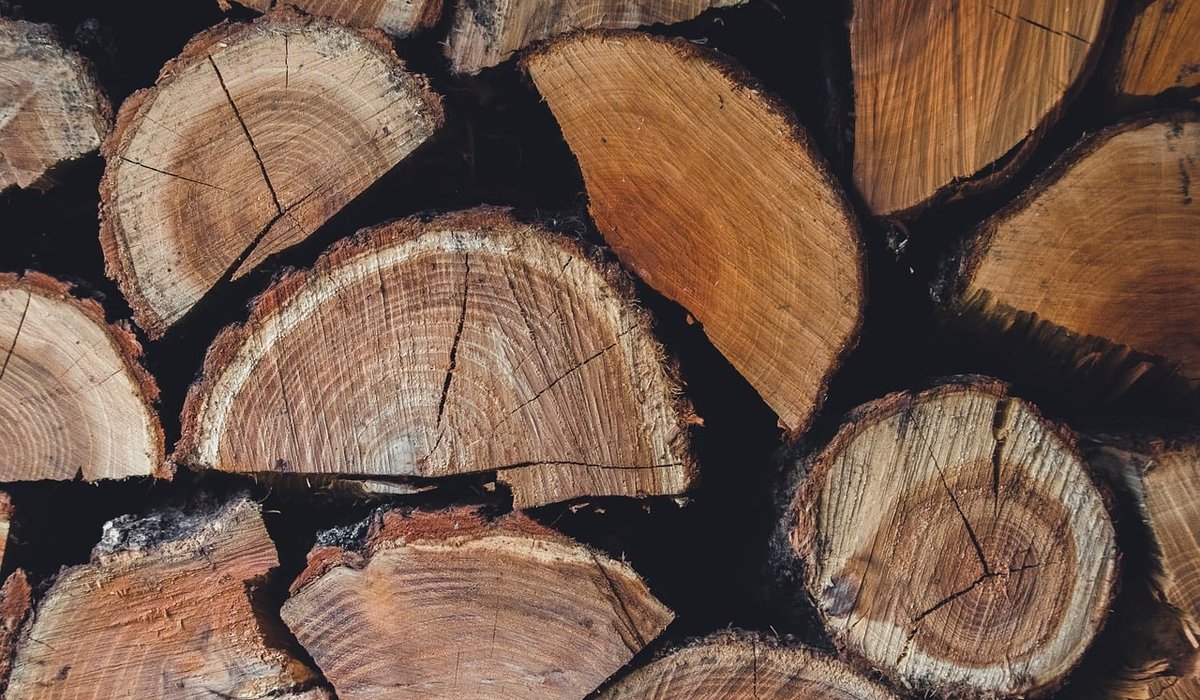
Making Natural Dyes from Bark and Leaves
Why Dye with the Hedgerow?
There is something quietly satisfying about walking a familiar woodland path in late September, pocketing a handful of fallen oak twigs, and knowing they will end the week as a warm bronze skein of wool. Natural dyeing is an old craft, once a commonplace rural skill, and it sits beautifully alongside nature journaling: the same walk that fills your notebook with sketches of galls and leaf shapes can also fill a basket with dyestuff.
The colours you get from British trees and hedgerow plants are rarely loud. They are soft, earthy and slightly unpredictable — exactly the palette of the woods themselves. Oak bark gives deep tawny browns, elder leaves yield a soft olive green, and birch twigs produce delicate yellows and pale golds. None of them require specialist equipment, and all of them can be worked on a kitchen stove or a camping brazier with proper ventilation.
Gathering with Care and a Little Folklore
Old country lore treats certain trees as protective. Oak was long associated with strength and was said to guard against ill fortune; elder was both revered and feared, with traditions warning against cutting it carelessly. Whatever you make of the stories, the practical lesson is the same: take sparingly, and take with respect.
A few guidelines will keep your foraging sustainable and legal:
- Never ring-bark a living tree. Take only loose bark from fallen branches, or thin strips from a recently felled stump.
- Gather leaves and twigs from the ground wherever possible. Windfall is free, abundant and often richer in tannin than fresh growth.
- Avoid nature reserves and Sites of Special Scientific Interest unless you have permission. On private land, always ask first.
- Leave plenty behind. A good rule is to take no more than one in ten of anything you find.
For a first dye bath you need surprisingly little. Around 200g of dry oak bark, or a carrier bag of elder leaves, will dye 100g of fibre to a respectable depth.
Three Reliable Woodland Dyes
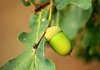
Oak bark is the workhorse of British natural dyeing. Its high tannin content means it needs no mordant to bond with protein fibres such as wool, though an alum mordant will deepen and fix the colour. Simmer the bark gently for an hour, strain, then add your damp fibre. Expect soft browns through to a rich chestnut, depending on concentration and how long you leave it steeping.
Elder leaves give greens, which are notoriously difficult to achieve from plants alone. Pick them in early summer when the sap is high, and use them fresh if you can. Simmer for forty-five minutes, cool, strain and dye. The result is a muted sage or olive green, especially lovely on wool. Note that elder leaves and stems are mildly toxic, so keep the pot exclusively for dyeing and wash your hands afterwards.
Birch twigs, particularly the fine outer bark and young shoots, yield clear yellows and pale golds. They work best with an alum mordant and respond well to a brief dip in an iron after-bath, which shifts the colour towards a soft khaki. Birch was traditionally used for spring cleaning and blessing rituals, and there is a certain charm in dyeing a length of cotton with the same tree that gave our ancestors their besoms.
Mordants, Pots and Simple Method
A mordant is simply a metal salt that helps dye bind to fibre. Alum (potassium aluminium sulphate) is the safest and most widely used for home dyeing, and it is inexpensive from craft suppliers. Use roughly 10g of alum per 100g of dry fibre, dissolved in hot water, and simmer the wetted fibre in it for an hour before dyeing. An iron after-bath — a rusty nail or two left in a jar of water and vinegar for a week — will sadden and darken any colour, though use it sparingly, as too much iron makes wool brittle.
On equipment: use stainless steel, enamel or unchipped granite pots. Aluminium and cast iron will react with the dye and alter your colour unpredictably. Keep every pan, spoon and sieve used for dyeing strictly separate from kitchen use. Good ventilation matters, especially with elder and birch, and a dust mask is sensible when handling fine bark powder.
For paper, the process is gentler: brush or dip the sheet in a cooled dye bath, hang to dry, and accept that the colour will be lighter and more fugitive than on cloth. It makes beautiful journal pages for recording your own dye experiments, complete with a snippet of the dyed wool taped beside your notes.
Keeping a Dye Journal
This is where nature journaling earns its keep. Every dye bath behaves differently depending on the season, the rainfall, the age of the tree and the water in your area. A simple record transforms guesswork into repeatable craft. Note the date and place of gathering, the part of the plant used, the weight of dyestuff, the mordant, the simmering time and the final colour.
A small swatch of the dyed fibre, glued or stitched into the page, is worth a paragraph of description. Over a season or two you will build a personal palette tied to particular woods and particular walks — a record as much of the landscape as of the dye pot. That is the real pleasure of this craft: it slows you down, sharpens your eye, and turns a quiet afternoon in the trees into something you can wear or write on for years to come.


Tree Lore
-
Early mornings and quiet hides improve your chances of watching red squirrels cache food, build dreys and chase through the canopy.

Nature Journaling



-

Long established fact that a reader will be distracted
-

Long established fact that a reader will be distracted
-

Long established fact that a reader will be distracted

Woodland Walks
Karla Gleichauf
12 May 2017 at 05:28 pm
On the other hand, we denounce with righteous indignation and dislike men who are so beguiled and demoralized by the charms of pleasure of the moment
M Shyamalan
12 May 2017 at 05:28 pm
On the other hand, we denounce with righteous indignation and dislike men who are so beguiled and demoralized by the charms of pleasure of the moment
Liz Montano
12 May 2017 at 05:28 pm
On the other hand, we denounce with righteous indignation and dislike men who are so beguiled and demoralized by the charms of pleasure of the moment