

Understanding Ancient Woodland Indicator Plant Species
What Makes a Plant an Ancient Woodland Indicator
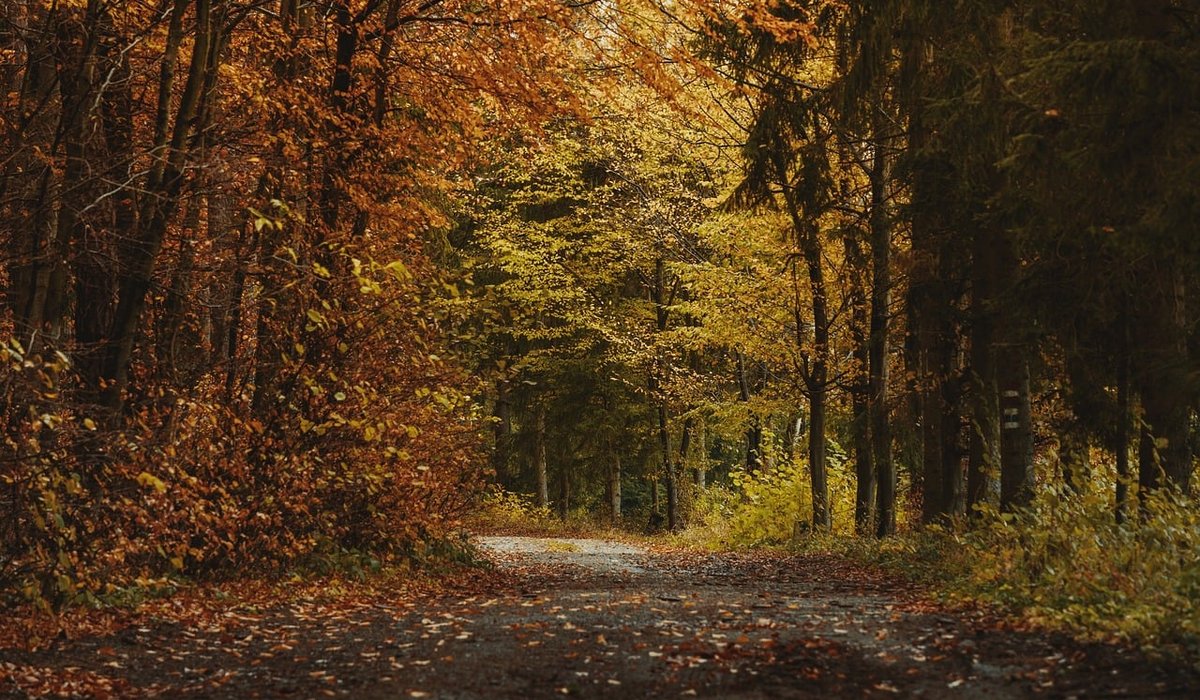
In Britain, a wood counts as ancient if it has been continuously wooded since at least 1600 in England and Wales, or 1750 in Scotland. The documentary record is patchy, so ecologists fall back on the plants themselves. Some species are slow to colonise and rarely spread across open farmland, so where you find them in numbers, you are probably standing in a wood with centuries of continuity behind it. These are the ancient woodland indicator species, or AWIs, and they are the closest thing we have to a living archive. A wood with twenty of them is a different proposition entirely to one with three.
The complication is that the list is regional. A plant that signals old woodland in Cumbria may turn up cheerfully in hedges and waste ground in Devon. Work from a county list where you can find one, and treat a single species as a hint rather than a verdict.
The Plants Worth Learning First
Start with a handful of reliable indicators and learn them properly. These are all species of the shaded, undisturbed ground layer:
- Wood anemone (Anemone nemorosa) — flowers March to May, often in loose sheets. It spreads by rhizome, creeping outwards over decades, so a good patch implies a long, undisturbed carpet.
- Dog's mercury (Mercurialis perennis) — a plain green spurge that can look like a weed. It spreads by rhizome too, and rarely sets viable seed in Britain, which makes it a strong pointer.
- Wild garlic or ramsons (Allium ursinum) — the smell is unmistakable, and it flowers April to June. It favours damp, slightly base-rich soils, often along streams and towards the bottom of a slope.
- Bluebell (Hyacinthoides non-scripta) — the classic. Dense, deep-blue native carpets suggest old woodland; pale, vigorous or hybrid-looking plants often hint at planted or disturbed ground.
- Wood sorrel, yellow archangel, early purple orchid and wood melick — each with its own soil preference, and worth adding as your confidence grows.
Bear in mind that a species only tells you what the soil and light allow. Dog's mercury is not on the list because it is rare; it is there because it is a poor traveller. That is the whole idea.
Folklore That Helps You Remember Them
The old names are a memory aid as much as a curiosity. The wood anemone is the windflower, said to open only when the breeze blows and to close before rain, and classical myth tied it to the wind god's lost love. In British folklore it was a fairy flower, and children were warned off picking it for fear of disturbing the little people.
Bluebells carried a firmer caution: ringing them was said to summon fairies, and hearing the ring meant bad luck or worse. Wild garlic was bear's leek — hence ursinum — and was hung in houses and taken as a spring tonic, a job it still does in the kitchen. Dog's mercury, being poisonous and useless to livestock, earned that dismissive "dog" prefix, the old word for false. Learning the stories alongside the Latin makes a plant stick in the mind, and the woodland feels considerably less anonymous for it.
Keeping a Nature Journal That Actually Works
A useful journal is not a pretty one; it is a repeatable one. Keep to a fixed routine so your notes build into data rather than decoration:
- Record the basics first — date, weather, grid reference, altitude, aspect and slope. Much of the difference between one wood and the next is explained by those five things.
- Score the ground flora in a paced-out area, say 10 by 10 metres. List the species, estimate cover roughly, and note whether indicators are scattered, frequent or dominant.
- Sketch rather than photograph. A quick drawing forces you to look at leaf arrangement, margins and growth habit, and it takes less time than fiddling with a lens in the rain.
- Add phenology notes — first flower, first leaf, first scent of garlic. Return visits over several years turn a notebook into a record worth something.
- Note what is missing. Bare soil under dense shade, no litter layer, trampled edges: absence tells you as much as presence.
A small tally per visit adds up quickly, and after a season or two you will have a rough indicator count for each wood you walk. That is genuinely useful information, and it costs you nothing but consistency.
Crafts, Foraging and Keeping Your Hands to Yourself
Forest crafts belong in this conversation because the plants are the reason for the wood, and the wood is the reason for the craft. Hazel coppice, cut on a rotation and turned into hurdles and beanpoles, produces exactly the dappled shade that wood anemone and bluebell need. Sweet chestnut, oak bark, birch and willow all come from the same tradition of management. Cutting small timber builds the structure; the flowers are the reward.
Foraging is where care is needed. Picking a few wild garlic leaves for a personal meal is generally fine where the plant is abundant, but take the leaf only, never the bulb, and never clear a patch. Digging up bluebells is illegal, and lifting any wild plant requires the landowner's permission. The best craft contributions tend to be the ones that leave the woodland better stocked than you found it — brash laid into hedge lines, deadwood left standing, and a note sent to the county recorder when you find something good.
Once you know the indicators, every walk becomes a survey, and every old wood starts telling you how long it has been there.


Tree Lore
-
Even a small pond can support frogs, newts and dragonflies if you avoid fish, add native plants and leave messy edges for shelter.


Nature Journaling


-

Long established fact that a reader will be distracted
-

Long established fact that a reader will be distracted
-

Long established fact that a reader will be distracted


Woodland Walks
Karla Gleichauf
12 May 2017 at 05:28 pm
On the other hand, we denounce with righteous indignation and dislike men who are so beguiled and demoralized by the charms of pleasure of the moment
M Shyamalan
12 May 2017 at 05:28 pm
On the other hand, we denounce with righteous indignation and dislike men who are so beguiled and demoralized by the charms of pleasure of the moment
Liz Montano
12 May 2017 at 05:28 pm
On the other hand, we denounce with righteous indignation and dislike men who are so beguiled and demoralized by the charms of pleasure of the moment