

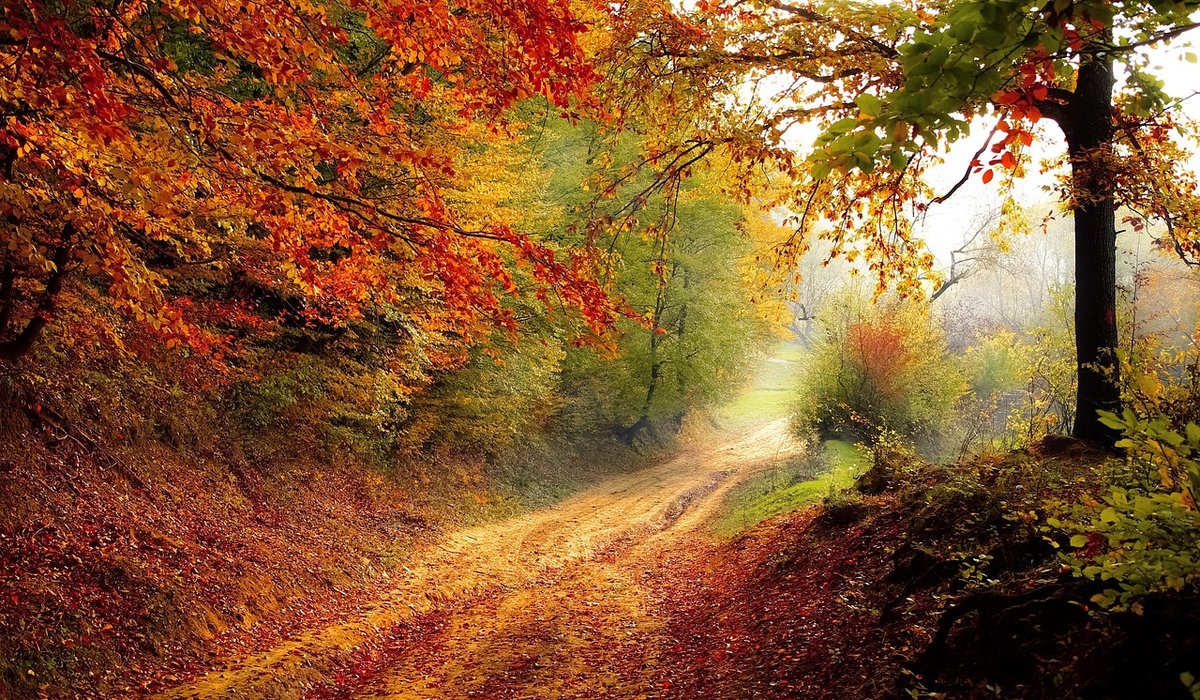
Seasonal Changes to Watch in a British Wood
A Wood That Never Looks the Same Twice
Stand in the same spot in a British wood on the first day of each month and you will see what casual walkers miss: nothing stays still. The angle of the light shifts, the smells change, the bird chorus rises and falls away, and even the sound of your boots changes — from the iron ring of frozen mast underfoot to the soft mulch of October leaves. Keeping a nature journal turns those changes from pleasant background detail into a record you can read, compare and learn from. All it asks is a pencil, a waterproof notebook and the discipline to visit the same route, at roughly the same time, month after month.
Winter: Bare Bones and Buds in Waiting
January and February are the best months to learn tree identification, because with the foliage gone you are left with bark, twigs and the shape of buds. Hazel catkins lengthen from mid-January, hanging like tiny lambs' tails. Oak buds cluster at the twig tips, sharp and chestnut-brown. Ash buds are sooty black, beech are long and coppery, and alder carries small purple-brown cones. Look down as well as up: roe deer slots in the mud, badger runs worn into the leaf litter, and the first snowdrops pushing through in sheltered corners.
The wood is loud in a different way. Great spotted woodpeckers drum from late January, great tits switch from calls to song, and song thrushes start up again — a useful entry in any journal, because the date moves by a week or two each year.
Spring: Catkins, Bluebells and the Leafing of Oaks
March brings the first chiffchaff back from the Mediterranean, singing its name from the top of a birch, and the wood floor answers with wood anemone, lesser celandine and primrose. By late April the bluebells are out: native ones carry narrow leaves and deep blue bells that droop to one side of the stem, unlike the upright Spanish hybrids of gardens. Wild garlic carpets the damper, neutral soils, and its scent will find you before you see it.
Watch the canopy close. Oak usually leafs in late April or early May, ash a fortnight later — the old saying "oak before ash, we're in for a splash" is a rough forecast, not a rule. Once the leaves are out, the light at ground level drops sharply and the bluebells fade to yellow. The dawn chorus peaks in the first week of May, so set the alarm for half four; an hour later and you have missed it.
Summer: Shade, Silence and the High Canopy
After May, the wood goes quiet in a way that surprises people. Birds stop singing because nesting is done, and the soundscape is taken over by insects and the rustle of wind in the leaves. This is the season for looking up. Purple hairstreaks flit around oak crowns on warm July evenings, speckled wood and ringlet butterflies patrol the sunny rides, and the undersides of leaves are covered in galls, mines and caterpillars.
Keep an eye on the ground too: ferns unfurling, bracket fungi hardening on standing deadwood, and the first ceps appearing after a warm, wet spell. Elderberries blacken in the hedgerow edges and rowan berries turn orange, a sign that the year's second act is beginning.
Autumn: Mast, Fungi and the Great Letting Go
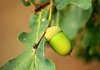
September and October are the wood's busiest months. Acorns, hazelnuts and beech mast clatter down; squirrel-nibbled shells are split in half, while small neat holes with a lathe-like rim suggest mice or voles. Fallow deer bellow during the October rut, and the leaf litter becomes a whole habitat of woodlice, centipedes and beetle larvae within days of falling.
Colour arrives in sequence: ash turns first and yellowest, beech follows to copper, oak is last and most stubborn. Leaf fall is not decay but withdrawal — the tree reabsorbs what it can and seals off the rest. November leaves a wood bare again, smelling of damp earth and geosmin, the same compound that gives beetroot and rain their scent.
Journaling Through the Year — and a Few Forest Crafts
Record the same things each visit: date, time, weather, wind direction, temperature and the quality of the light. Then note your "firsts" — first chiffchaff, first bluebell fully out, first ripe blackberry, first frost. Sketch a bud in cross-section rather than photographing it; the drawing forces you to look. A monthly list of six species and one question you cannot answer is enough.
Crafts give your journal something to hold. Always use fallen, cut or consented material, never take from living trees, and never collect from a Site of Special Scientific Interest or a nature reserve.
- Hazel walking sticks: cut from winter-coppiced stools with the landowner's permission, then dried slowly to avoid warping.
- Green woodwork: carve a spoon from a freshly felled log in spring or summer, when rising sap makes the timber easy to cut.
- Willow weaving: rods cut in winter, soaked for a week, woven into baskets or plant supports.
- Nettle cordage: gather tall stems in July, strip the fibres, twist into twine for journal bindings.
- Oak gall ink: simmer crushed galls with a rusty nail and a little gum arabic; it ages to a warm sepia.
- Spore prints and bark rubbings: simple, quick and perfect for the page beside your notes.
Leave the fungi for the wood and the woodlice for the litter. Take only notes, sketches and photographs, and the next visit will show you something new.


Tree Lore
-
Learn reliable identification, sustainable picking and legal foraging rules before gathering hazelnuts, blackberries or common field mushrooms.
Nature Journaling


-

Long established fact that a reader will be distracted
-

Long established fact that a reader will be distracted
-

Long established fact that a reader will be distracted

Woodland Walks
Karla Gleichauf
12 May 2017 at 05:28 pm
On the other hand, we denounce with righteous indignation and dislike men who are so beguiled and demoralized by the charms of pleasure of the moment
M Shyamalan
12 May 2017 at 05:28 pm
On the other hand, we denounce with righteous indignation and dislike men who are so beguiled and demoralized by the charms of pleasure of the moment
Liz Montano
12 May 2017 at 05:28 pm
On the other hand, we denounce with righteous indignation and dislike men who are so beguiled and demoralized by the charms of pleasure of the moment