

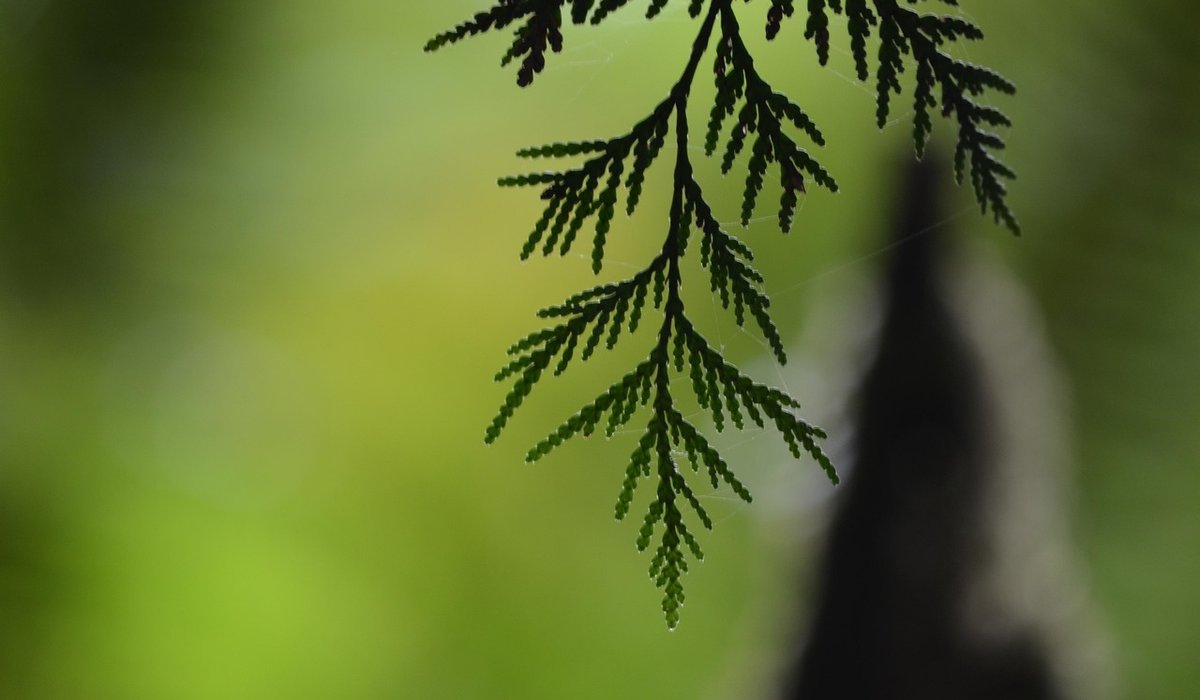
Spotting Red Squirrels in Northern Woodlands
Why the Northern Woods Are Their Stronghold
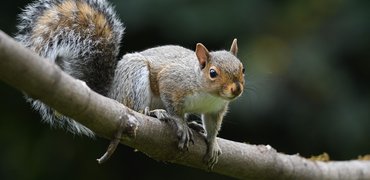
Red squirrels have retreated to the conifer belts of northern Britain — the pinewoods of the Cairngorms, the larch plantations of Northumberland, the spruce and pine mosaics of the Scottish Borders. They thrive where grey squirrels struggle: among tall conifers with few broadleaved trees to see them through winter. A native red is smaller than its grey cousin, with russet fur, a creamy belly, a bushy tail and — from late autumn into spring — unmistakable tufted ears. Moulting adults in summer can look almost black or washed-out ginger, which catches many visitors out. A stand of mature Scots pine with a sunny edge and a good cone crop is a far better bet than a lowland oak wood.
Timing Your Visit: Dawn, Season and Weather
The single best change you can make is to arrive early. Reds are most active in the first two hours after sunrise, and again in a shorter window mid-afternoon. In midsummer that means being in position by half four — a commitment, but a rewarding one.
- Late winter and early spring: courtship chases, males following females through the canopy with much rattling and leaping.
- Spring and early summer: drey building and young squirrels exploring near the nest tree.
- Autumn: the busiest caching period, when squirrels come to the ground and to stumps for long stretches.
- Winter: bare branches make them easier to spot, though activity is compressed into milder, brighter days.
Weather matters as much as clock. Dry, still, high-pressure mornings are ideal. In strong wind squirrels stay high and still; in heavy rain they retreat to the drey.
Reading the Signs Before You See a Squirrel
Learn the field signs and you will find squirrels faster. The most reliable is the midden: a pile of stripped cones at the base of a favourite tree, on a stump or along a fallen trunk, often built up over years. Check the cone cores — reds tend to leave a neat central stalk with the scales removed right down to the base, unlike the ragged debris greys leave behind.
Next, look for dreys: football-sized balls of twigs, moss, dried grass and bark, usually wedged in a fork against a conifer trunk, sometimes ten metres up. They can be mistaken for a crow's nest, so watch for a while before deciding. Bark stripping on larch and spruce, and the sharp scolding rattle of an alarm call, are further clues.
Fieldcraft: Hides, Clothing and Quiet Feet
Reds are wary but not impossible. The trick is to be boring: still, quiet and unthreatening.
- Arrive before first light and settle in. A hide or a natural screen — a holly bush, a fallen trunk — beats open ground every time.
- Wear muted greens, browns or greys in soft, non-rustling fabrics, and avoid strong scents.
- Move in slow stages, pausing between steps. Sit still for at least twenty minutes before expecting anything.
- Keep 8x42 binoculars to your eyes when a squirrel appears. Never approach a drey directly or surround a tree.
- Stay on paths, keep dogs on leads, and take nothing but photographs.
Behaviour Worth Waiting For
Once a red relaxes, you are in for a treat. Caching is the most absorbing: a squirrel digs a shallow hole, presses a nut or cone in, pats the soil with its forepaws, and sometimes goes through the motions of burying when its paws are empty — a decoy, apparently, to confuse rivals. Drey building means patient trips carrying moss and twigs, and stripping bark for lining. Chases are spectacular: two or three animals spiralling a trunk, leaping gaps, tails flicking, chattering as they go. Feeding is a quieter joy — a squirrel sits on a branch, holds a cone in both forepaws and rotates it, dropping scales like confetti.
Journaling, Folklore and Simple Forest Crafts
Keep a notebook. Record date, time, weather, wind direction and the tree species you are sitting under. Note behaviour in sequence — "09.12, descended trunk, cached, returned to same branch" — because patterns emerge over a season that you would otherwise miss. Sketch the drey, the cone, the tail. Pencil beats ink in damp woods, and a small hand-drawn map of the wood, marking middens and favourite trees, becomes a record worth keeping.
Folklore rewards the patient observer too. In parts of the Highlands a red squirrel crossing your path was said to carry news; in others, the flash of a russet tail signalled a change in the weather. Woodcraft traditions use only fallen material: cones gathered for a wreath, willow twigs woven into a small collecting basket, a twig bookmark, a bark rubbing pressed into a journal. Take only what is already on the ground, and leave the wood as you found it.


Tree Lore
-
Learn a few distinctive calls from blackbird, robin, great tit and chiffchaff to identify birds without needing a clear view.

Nature Journaling



-

Long established fact that a reader will be distracted
-

Long established fact that a reader will be distracted
-

Long established fact that a reader will be distracted



Woodland Walks
Karla Gleichauf
12 May 2017 at 05:28 pm
On the other hand, we denounce with righteous indignation and dislike men who are so beguiled and demoralized by the charms of pleasure of the moment
M Shyamalan
12 May 2017 at 05:28 pm
On the other hand, we denounce with righteous indignation and dislike men who are so beguiled and demoralized by the charms of pleasure of the moment
Liz Montano
12 May 2017 at 05:28 pm
On the other hand, we denounce with righteous indignation and dislike men who are so beguiled and demoralized by the charms of pleasure of the moment